Shipping Disruptions & Rising Costs May Hit Engineering and Textile Sectors Hard
📅 Published: April 2026 | Category: Global Impact / MSME Alert
🌍 Background: What is the Hormuz Threat?
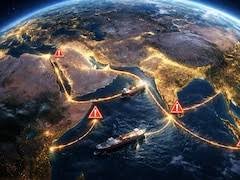
Rising geopolitical tensions in the Strait of Hormuz—a critical global oil and shipping route—are creating fresh concerns for international trade. This narrow passage handles nearly 20% of the world’s oil supply, making it one of the most sensitive maritime chokepoints.
Any disruption in this region directly impacts global logistics, fuel prices, and supply chains.
⚠️ Why Indian MSMEs Should Be Concerned
Experts are warning that Indian MSMEs, particularly in engineering and textile exports, could face serious challenges if the situation escalates.
Key Risks:
- 🚢 Shipping Delays: Vessel movement may slow down due to security concerns
- 💸 Freight Costs Surge: Higher insurance premiums and rerouting expenses
- ⛽ Fuel Price Volatility: Increased oil prices affecting production and transport
- 📦 Supply Chain Disruptions: Delays in raw material imports and export deliveries
🏭 Sectors Likely to Be Hit Hard
1. Engineering MSMEs
- Heavy reliance on imported components and global supply chains
- Increased logistics costs can reduce competitiveness
2. Textile MSMEs
- Export-oriented units may face shipment delays
- Profit margins may shrink due to rising input and freight costs
📊 Bigger Economic Impact
India relies significantly on oil imports passing through the Strait of Hormuz, meaning any instability could:
- Push inflation upward
- Increase manufacturing costs
- Impact overall export performance
🧠 Expert View
Industry analysts suggest that MSMEs should:
- Diversify logistics routes where possible
- Build buffer inventory
- Explore alternative export markets
- Monitor global shipping trends closely
📌 Overall View
The “Hormuz Threat” is not just a geopolitical issue—it’s a direct economic risk for India’s MSME sector. While the situation is still developing, proactive planning and awareness can help businesses minimize potential losses.