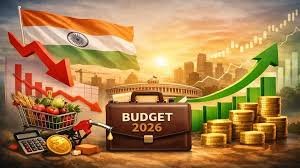

Countering Global Protectionism Through Trade Recalibration
The Union Budget 2026 is expected to position Government of India to respond to rising global protectionism through targeted tariff rationalisation and tax structure optimisation. Policymakers aim to maximise gains from existing Free Trade Agreements (FTAs) while recalibrating trade strategy in line with shifting global supply chains and geopolitical realignments.
A parallel focus on strengthening urban–rural consumption linkages is seen as critical to building a self-sustaining domestic demand engine, enabling Bharat to balance export ambitions with internal growth resilience and reinforce its leadership role within the Global South.
Fixing Structural Gaps in Manufacturing and MSMEs
Addressing long-standing inverted duty structures and trade policy bottlenecks remains central to reviving manufacturing competitiveness. MSMEs expect Budget measures to simplify compliance, reduce input cost distortions, and improve access to affordable credit—key enablers for export-oriented growth.
Fiscal announcements will also test the government’s ability to finance large-scale industrial transitions—including green manufacturing and logistics upgrades—while maintaining macroeconomic stability amid persistent geopolitical risks.
Consumption-Led Stability and Investment Revival
Policy proposals are increasingly centred on fortifying domestic consumption to cushion the economy against external demand shocks. The approach blends fiscal discipline with targeted growth incentives, aiming to crowd in private investment without overstretching public finances.
Experts note that sustained success will depend on policy alignment with evolving trade blocs, seamless execution of reforms, and consistent support for MSMEs and exporters—factors that could lock in Bharat’s high-growth trajectory over the coming decade.