Micro, Small and Medium Enterprises (MSMEs) continue to demonstrate resilience and growth momentum in 2026, supported by expanding credit availability, falling delinquencies, and productivity gains across key industrial clusters. Industry and policy insights released on January 30 point to a strengthening MSME ecosystem backed by formalisation, technology adoption, and export-oriented growth.
MSME Credit Surpasses ₹40 Trillion, Delinquencies Decline
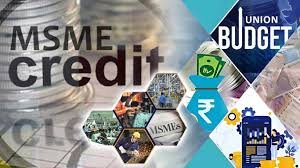
Industry data indicates that MSME credit has crossed ₹40 trillion, reflecting sustained lending momentum and improved confidence among banks and financial institutions. The growth in credit is being driven by stronger balance sheets, higher formalisation, and targeted policy interventions aimed at reducing lending risk.
A key positive trend highlighted by industry experts is the decline in delinquencies within the MSME loan segment. Improved cash flows, structured repayment mechanisms, and credit guarantee support have contributed to better repayment behaviour, encouraging lenders to further expand MSME loan portfolios.
Policy measures supporting collateral-free lending, digital credit assessment, and timely restructuring have played a critical role in strengthening credit quality.
Policy Push for Technology Upgradation and Export Expansion
Experts note that policy focus has shifted from short-term relief to long-term competitiveness, with greater emphasis on technology upgradation, digitisation, and export enablement. Financial incentives, interest subvention, and cluster-based interventions are helping MSMEs adopt modern machinery, improve productivity, and meet global quality standards.
Export-oriented MSMEs, particularly in engineering, textiles, leather, food processing, and pharmaceuticals, have benefited from improved access to working capital and export credit, supporting growth in overseas shipments.
MSME Productivity Rises Across Key Industrial Clusters
Insights from the Economic Survey 2026, released on January 30, highlight significant productivity improvements in MSME clusters across Bharat. The Survey attributes these gains to increased formalisation through Udyam registration, infrastructure development, and targeted cluster support programmes.
Strong Udyam Registrations Signal Formalisation
The Economic Survey notes a sharp rise in Udyam registrations, indicating deeper formalisation of MSMEs. Formal registration has enabled enterprises to access institutional finance, government schemes, and technology support, strengthening operational efficiency and market reach.
Formalisation has also improved data visibility, allowing policymakers to design targeted interventions for specific sectors and regions.
Cluster-Based Productivity Gains
MSME clusters have shown notable productivity improvements, particularly in labour-intensive sectors. Shared infrastructure facilities, common testing centres, logistics support, and skill development initiatives have reduced costs and improved output quality.
Clusters in textiles, garments, footwear, engineering goods, and food processing have reported higher production efficiency and increased capacity utilisation, contributing to overall industrial growth.
Export Growth in Labour-Intensive MSME Sectors
The Economic Survey highlights rising exports from labour-intensive MSME sectors, supported by improved productivity and global demand recovery. MSMEs operating within organised clusters have found it easier to comply with export standards, access buyers, and manage logistics efficiently.
Export growth from these sectors has also had a positive impact on employment generation, particularly in semi-skilled and rural labour markets.
MSMEs Strengthen Economic Resilience
Industry experts agree that the combination of expanding credit, improving productivity, and policy-driven modernisation is reinforcing MSMEs as a pillar of economic resilience. With credit growth remaining strong and default risks moderating, MSMEs are increasingly positioned as stable contributors to manufacturing output, exports, and employment.
Continued focus on technology adoption, cluster development, and export integration is expected to further enhance MSME competitiveness in 2026 and beyond.
🔑 Key Industry Insights
- MSME credit crosses ₹40 trillion with improving loan quality
- Delinquencies in MSME lending show a declining trend
- Policy focus shifts toward technology upgradation and exports
- Strong Udyam registrations drive formalisation
- MSME clusters show rising productivity and export growth